For decades, organizations have relied on the “castle-and-moat” approach to cybersecurity—where strong perimeter defenses kept intruders out, while internal systems were assumed to be secure. But as remote work, cloud computing, and sophisticated cyber threats increase, this model has proven inadequate.
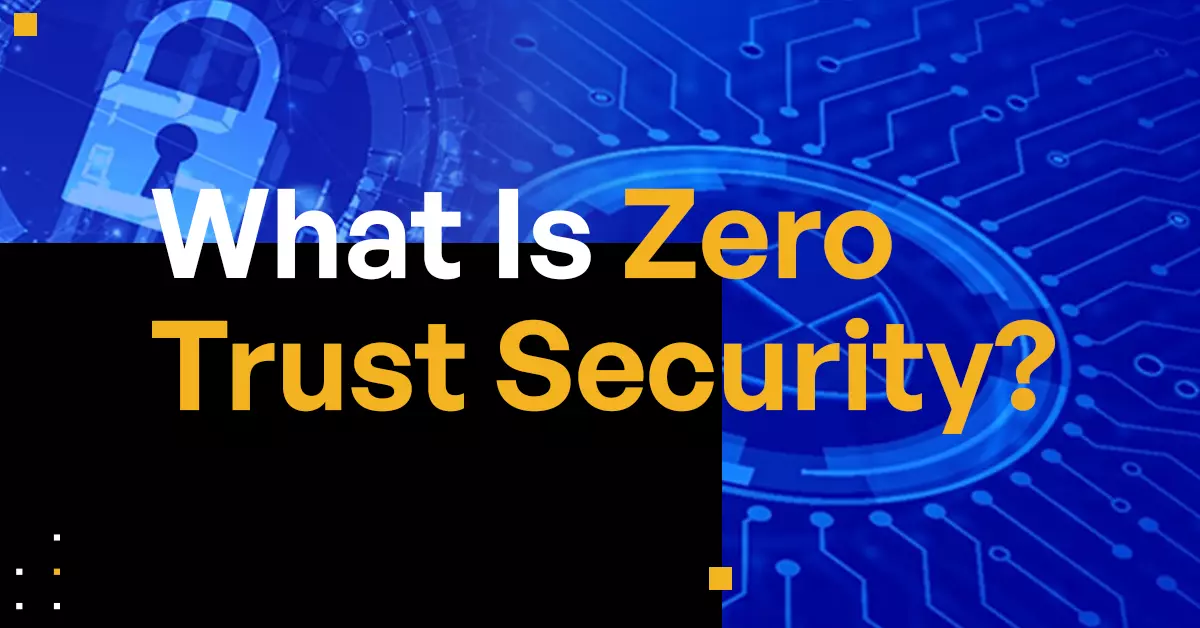
Zero-trust security flips the traditional model on its head. It assumes that no user or device—inside or outside the network—can be inherently trusted. Every request for access must be continuously verified, authenticated, and authorized, no matter the source.
In a zero-trust environment, security is not just a perimeter defense—it’s embedded into every layer of access. This means segmenting networks, enforcing least-privilege principles, verifying user identities with multi-factor authentication (MFA), and continuously monitoring behavior for anomalies.
One of the key benefits of zero-trust is its adaptability to today’s hybrid work environments. Employees can securely access systems from anywhere—on any device—without exposing the organization to unnecessary risk. It also provides better protection against insider threats and lateral movement during breaches.
Implementing zero-trust doesn’t mean ripping out your existing security infrastructure. It’s about building on what you have with smarter, context-aware policies and deeper visibility. Tools like identity providers, endpoint detection, and cloud access security brokers (CASBs) become essential in this model.
Cybersecurity frameworks like NIST SP 800-207 have helped standardize the core tenets of zero-trust, making it easier for organizations to structure their security architecture around verified best practices.
Ultimately, zero-trust is about aligning security with how modern businesses actually operate—across clouds, devices, and borders. It ensures that trust is earned, not assumed, and that every access decision is based on identity, context, and continuous evaluation.
In conclusion, as cyber threats evolve and enterprise environments grow more complex, zero-trust security offers a more resilient and future-proof defense. It’s time to move beyond the moat—and start verifying everything.