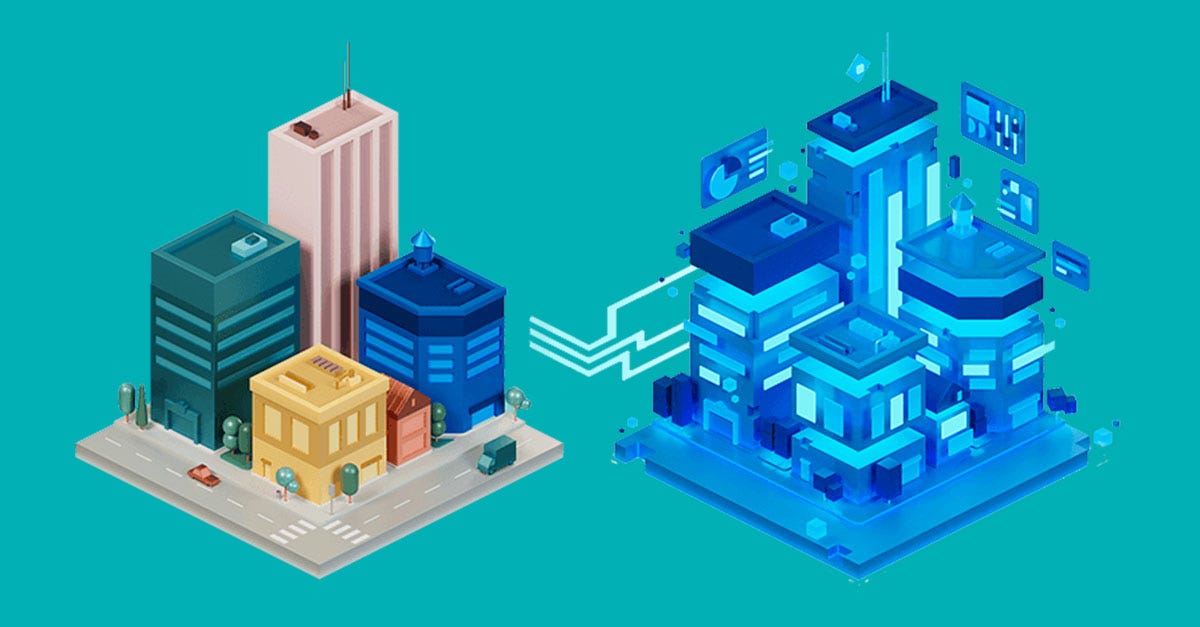
Imagine having a virtual replica of a product, process, or facility that allows you to simulate performance, predict failures, and optimize outcomes—all before a single physical component is built. That’s the promise of digital twins: reducing R&D costs, accelerating innovation, and ensuring success through simulation.
A digital twin is a real-time, virtual model of a physical object or system that reflects its behavior, performance, and lifecycle. Powered by IoT sensors, data analytics, and AI, these replicas allow for continuous monitoring and improvement across product development and operations.
By simulating designs and testing various scenarios virtually, companies can drastically reduce time and cost associated with physical prototyping. This shortens development cycles and allows for faster iterations based on real-world feedback and data.
One of the greatest advantages of digital twins is predictive maintenance. By continuously analyzing operational data, digital twins can foresee wear and tear or failures before they occur, preventing costly downtime and extending asset lifespans.
Digital twins don’t just simulate initial performance—they evolve alongside their physical counterparts. This enables ongoing optimization and adaptation as new data and use cases emerge, supporting lean innovation and agility.
Digital twins are revolutionizing sectors such as:
As IoT and AI technologies mature, digital twins will become more intelligent and autonomous. Future systems may automatically optimize operations in real time, driven by advanced simulations and real-world data fusion.
Digital twins are more than just virtual models—they’re powerful tools for innovation, efficiency, and strategic decision-making. By simulating success before building, businesses gain the foresight and agility needed to thrive in an increasingly complex world.